Lisbon Region
Lisbon
Sleep in flat, central Chiado or Baixa so you climb out of the old town rather than into it, pre-book Belem's monastery and tower, and give Sintra a proper day.
Best length
3-4 nights
Airport
Lisbon Humberto Delgado (LIS), ~7km north of the centre
Airport to centre
Red-line metro ~20 min to Saldanha/Baixa; taxi/Uber ~20-30 min
Best base
Chiado or Baixa for first-timers; Principe Real for calmer local evenings
In short
Lisbon at a glance
Lisbon is a 3- or 4-night city break built on seven hills: sleep in flat, central Chiado or Baixa so you climb out of the old town rather than into it, pre-book Belem's Jeronimos Monastery and the Belem Tower slot, treat tram 28 as a short ride with your bag zipped and watched rather than a sightseeing loop, and give Sintra a proper day rather than a rushed afternoon.
The short version
- Stay in Chiado or Baixa for the easiest first trip: flat, central and walkable; pick Principe Real if you want a calmer, more local evening base.
- Pre-book the Belem Tower (online reservation is now mandatory) and the Jeronimos Monastery cloisters before you fly: the Belem queue is the classic Lisbon time-sink.
- Tram 28 is Lisbon's number-one pickpocket route: ride it early with a seat and your bag in front, or skip it and walk the Alfama instead.
- Take the red-line metro from the airport (about €1.90, or €1.72 with pay-as-you-go zapping, and 20 minutes to the centre) rather than queuing for a taxi at €15-€20 plus a luggage charge.
- Three full days covers Belem, the Alfama and a Sintra day-trip; do not try to cram Sintra into a half-day.
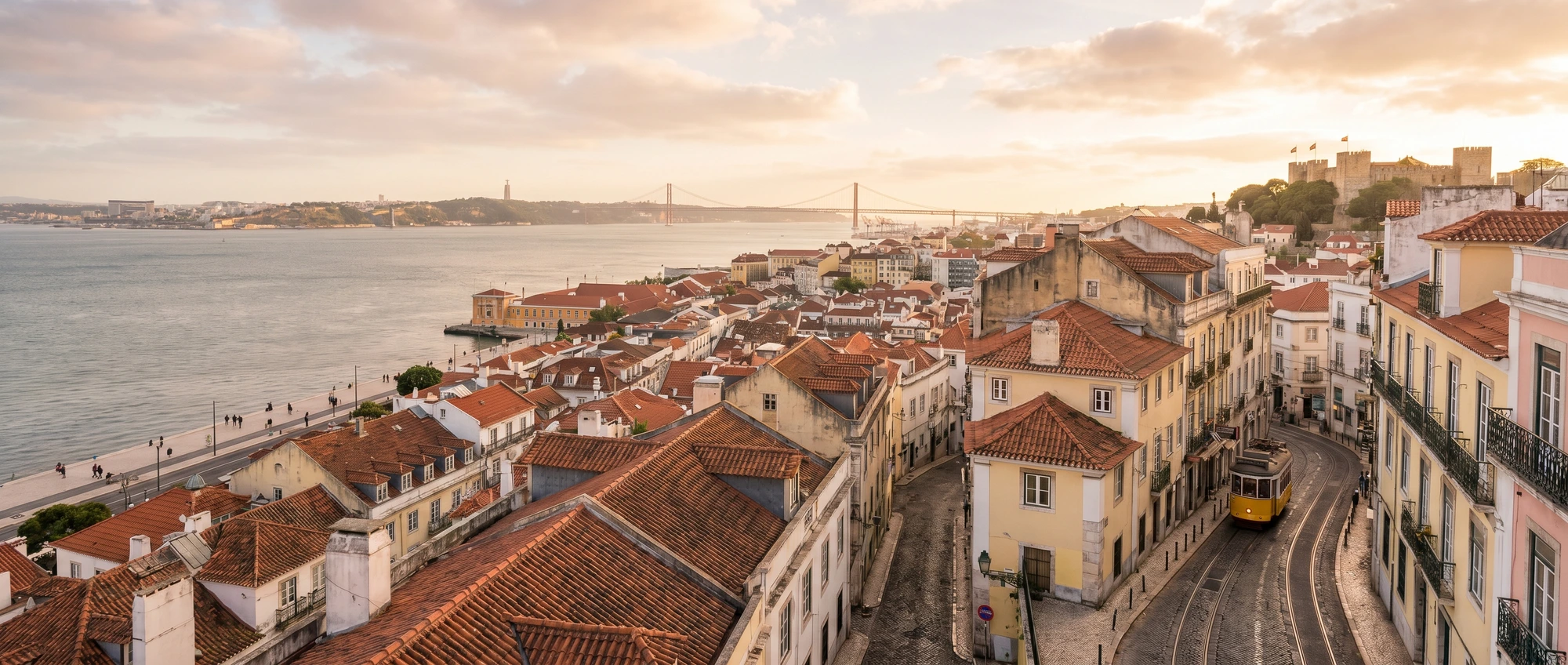
Lisbon’s whole character comes from its hills: a flat downtown grid (the Baixa) hemmed in by steep, tiled quarters that climb away on either side, with the river Tejo opening it all up to the south. That layout is the charm and the catch. Get the wrong base and you spend the trip hauling yourself and a suitcase up cobbled lanes; get the right one — flat, central Chiado or Baixa — and you walk down into the old town and ride a funicular or the metro back. The job of a good first trip is to sleep somewhere that works with the gradients, pre-book the two Belem monuments that genuinely need it, and leave time for the views.
On where to base yourself, Chiado is the easiest call: it sits between flat Baixa below and Bairro Alto above, so you climb out of the old town rather than into it. Baixa is the kindest area on tired legs and for wheeling a suitcase, while Principe Real is the calmer, better-value evening base, a short uphill walk back from the centre. The mistake first-timers make is booking the Alfama for its tiled lanes and fado, then regretting it on the steep, uneven cobbles with luggage in tow. Stay there only if you travel light.
Three full days is the practical minimum: one for central Lisbon and the Alfama, one out west in Belem for the Jeronimos Monastery and the tower, and one for a Sintra day-trip up the line — the return train is only about €5.10, so give it a proper day rather than a rushed afternoon. Book the Belem Tower (online reservation is now mandatory) and the Jeronimos cloisters (from about €18) before you fly; the Belem queue is the classic time-sink. Take the red-line metro from the airport — about €1.90, or €1.72 zapping a Navegante card — rather than queuing for a taxi. Eat the weekday prato do dia (€8-€12) at a neighbourhood tasca and skip the marked-up riverfront places by Belem. Tram 28 is part of the postcard and the city’s busiest pickpocket route, so ride it early with a seat and your bag in front, or walk the Alfama instead. Get the base right and the hills become the view rather than the workout.
Plan your Lisbon trip
Keep a first trip focused: book the big timed sights, then leave room for neighbourhoods and food.
Top things to do in Lisbon
Belém Tower
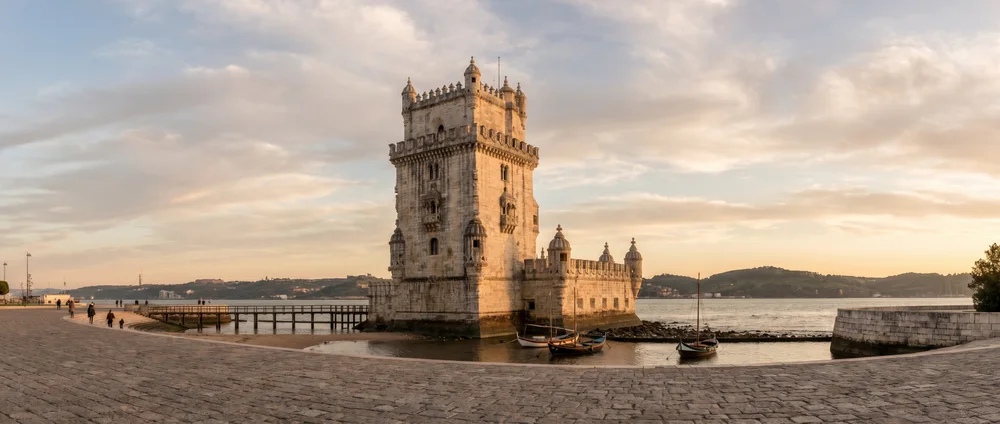
Since reopening in late May 2026, Belém Tower runs a hard timed-entry cap — 60 people every 30 minutes, around 900 a day — so a turn-up-on-spec visit can mean no slot left. Book a timed ticket online before you go, and buy the combined Belém Tower + Jerónimos Monastery ticket rather than tower-only: it covers both sites for less than the standalone tower price. Allow 45 minutes to an hour for the tower itself; the staircase is a single narrow spiral, so expect a short wait inside on busy slots.
Tram 28
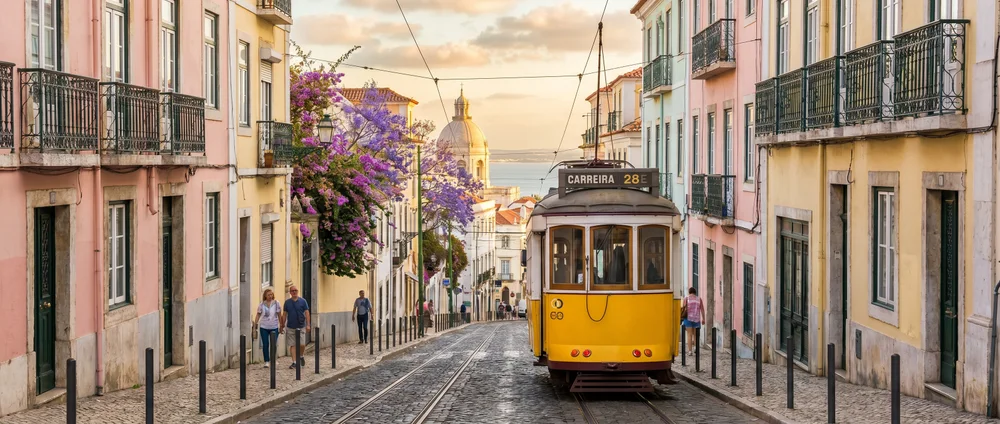
Tram 28 is the rattling vintage line that climbs from Martim Moniz through Graça, Alfama, the Sé cathedral, Baixa and Chiado out to Estrela and Campo de Ourique. Don't queue at Martim Moniz with everyone else — board at the quieter Campo de Ourique (Prazeres) end and you'll ride the best stretches sitting down. Go before 09:00, tap a prepaid Navegante card rather than paying cash on board, and keep your phone and wallet zipped on your front — this line is Lisbon's pickpocket hotspot.
Oceanário de Lisboa
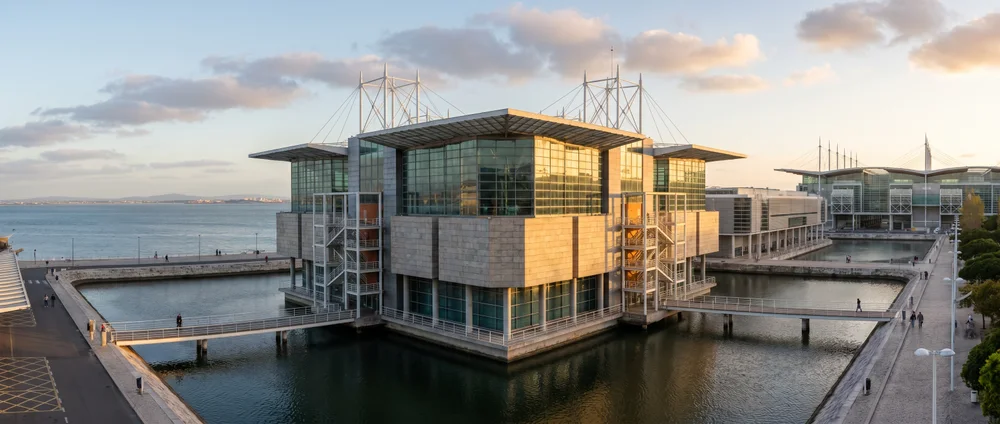
Book a timed online ticket before you go and aim for the first 10:00 slot or a 15:00–16:00 lull — the central five-million-litre tank gets shoulder-to-shoulder by late morning at weekends and school holidays. It sits at Parque das Nações, a 5-minute walk from Oriente metro on the Red Line, so it pairs with the cable car and riverfront rather than the historic centre. Allow 1.5–2 hours; the under-3s go free and the whole route is buggy- and wheelchair-friendly.
Santa Justa Lift
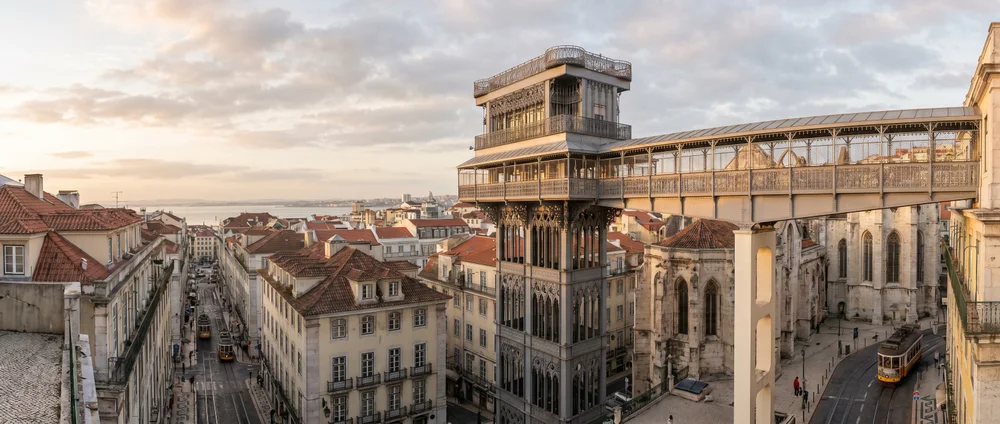
The Santa Justa Lift is a 45-metre 1902 iron elevator that carries you from the flat Baixa grid up to the Carmo level — but the €6.20 on-board fare is poor value for a 30-second ride and the queue at the bottom is the longest in the Baixa. Skip both: walk up to the same upper level through Largo do Carmo for free, or ride it for €1.70 by tapping a Navegante card, or for nothing with a Lisboa Card. The viewpoint terrace at the top reopened in June 2025 after renovation and now costs a separate €5 — pricey for a view you can get free from Carmo.
São Jorge Castle
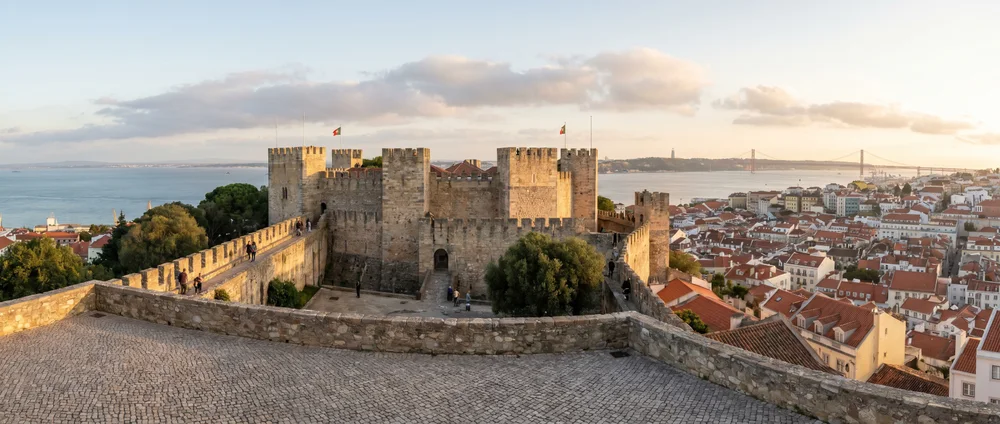
São Jorge Castle is the Moorish hilltop fortress over Lisbon, and the draw is the wraparound terrace view across the Baixa rooftops to the Tagus — not the ramparts themselves, which are largely a 20th-century rebuild. Skip the brutal walk up Alfama by riding a free public lift (the Castelo Lift from Rua dos Fanqueiros, or the Chão do Loureiro car-park lift) most of the way. If you want the camera obscura, that's a free 20-minute guided slot you sign up for on arrival between 11:00 and roughly 16:00, and it's the most genuinely interesting thing inside the walls. Allow 1.5–2 hours.
São Roque Church
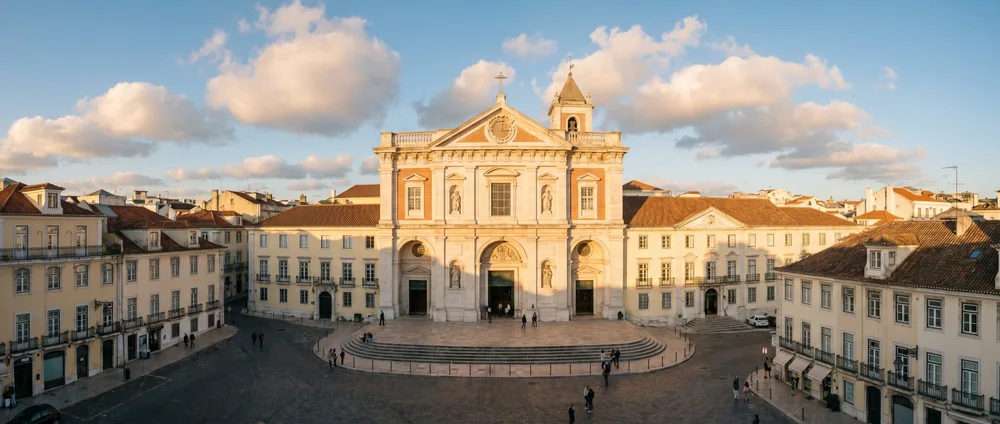
Walk into the church for free and look up: behind São Roque's blank, earthquake-survivor facade are seven side chapels dripping with gilded wood, and the Chapel of St John the Baptist was built in Rome from lapis lazuli, amethyst and silver, shipped to Lisbon and reassembled — reputedly the most expensive chapel in Europe when it arrived in 1747. The church costs nothing; the €8 museum next door is an optional add-on for religious-art fans, not the main event. Allow 20–30 minutes for the church, and pair it with the rest of Bairro Alto rather than making a special trip.
Every Lisbon attraction guide
Where to stay first
The areas that make a first visit easier — not an exhaustive directory.
Chiado
££ mid-rangeThe best first-timer base: elegant, central and walkable, sitting between flat Baixa below and the Bairro Alto above, with metro, bookshops, cafes and the main sights minutes away. Not cheap, but it saves you a hill-climb every single time you head home.
Best for: First-timers, couples, short stays
Baixa
££ mid-rangeThe flat grid between the two hills, rebuilt after the 1755 earthquake, with the squares, the riverfront and most metro lines on your doorstep. The easiest area to wheel a suitcase and the kindest on tired legs; the trade-off is it can feel a touch touristy and quiet at night.
Best for: Older travellers, flat-ground access, easy arrivals
Principe Real
£ valueA refined, leafy quarter just above Bairro Alto with antique shops, wine bars, a garden square and a genuinely local feel. Better value and far calmer at night than the party streets below, though it is a short uphill walk back from the centre.
Best for: Repeat visitors, calmer evenings, value
Alfama
££ mid-rangeThe atmospheric old Moorish quarter of tiled alleys and fado, brilliant for character but built on a steep hillside with uneven cobbles. Lovely to stay in if you travel light; a lot of first-timers regret it while dragging a suitcase up the lanes.
Best for: Atmosphere-first trips, light packers
Airport to city centre
| Option | Time | Cost | Book ahead? |
|---|---|---|---|
| Red-line metro to Saldanha / Baixa | ~20-30 min | about €1.90 (€1.72 zapping) plus €0.50 for a Navegante card | Best for most central hotels |
| Uber / Bolt to the centre | ~20-30 min | usually €10-€20 | Easiest with luggage or late arrivals |
| Taxi from the rank | ~20-30 min | about €15-€20 plus a €1.60 luggage charge | Fine, but agree it's metered |
| Aerobus / city bus | ~30-45 min | city bus about €2 onboard | Slower; only if the metro doesn't suit your hotel |
When to go
Sweet spot: May, June, September and early October are the sweet spot: warm enough for terrace dinners and a Cascais beach afternoon, kind walking weather for the hills, and gentler crowds and prices than July-August. May brings the jacaranda trees into purple bloom across the squares.
High summer is hot, packed and dearest, and the Belem and tram queues are brutal; the city also half-empties of locals in August. Winter is mild (around 8-15°C), cheap for flights and good for the monuments, but it is not a beach trip and the Atlantic light fades early. Book spring and autumn weekends well ahead because Lisbon is a heavy UK city-break market.
What it costs
UK return flights to Lisbon are often £60-£140 outside school holidays when booked ahead on Ryanair, easyJet or TAP; summer weekends, the Christmas fortnight and late booking push fares to £200-£300+. Lisbon is one of the cheaper short-haul capitals from the UK, with direct routes from London, Manchester, Birmingham, Bristol and more.
Daily budget per person
| Pastel de nata (custard tart) | €1.20-€1.50 / £1-£1.30 |
|---|---|
| Bica / espresso | €0.70-€1.10 / £0.60-£0.95 |
| Prato do dia (weekday lunch special) | €8-€12 / £7-£10 |
| Metro single (€1.72 zapping on a Navegante card) | €1.90 / £1.65 |
| Lisbon to Sintra train return (Rossio line) | €5.10 / £4.40 |
| Jeronimos Monastery cloisters | €18 / £15.50 |
Lisbon stays cheap if you eat the weekday prato do dia (a fixed lunch special, often €8-€12) at a neighbourhood tasca and save the sit-down dinner for a couple of nights. The fastest way to overpay is eating on the Belem riverfront or in the tourist tascas right by the main squares.
Book the essentials
Where to stay
Tours & tickets
Airport transfers
Stay connected
Trains & rail passes
Also in Portugal



Lisbon FAQs
How many days do you need in Lisbon?
Where should first-timers stay in Lisbon?
Is tram 28 worth it in Lisbon?
Do you need a car in Lisbon?
Ready to book?
Find hotels in Lisbon