Upper Egypt
Valley of the Kings
How to visit the Valley of the Kings without overpaying: why the standard ticket is a three-tomb base fare, which open tombs are worth your three picks, and which famous add-ons are worth the extra money.
Where
Luxor, Egypt
Opening hours
Open daily from 06:00, with last entry around 17:00 in summer and 16:00 in winter (and during Ramadan). The valley has no weekly closing day, but individual tombs rotate open and closed for conservation, so the real open list is the one posted at the entrance that morning. Always aim for the opening hour.
Tickets
Standard ticket about £11 (E£750) for any 3 open tombs. Add-ons on top: Tutankhamun (KV62) ~£10 (E£700); Seti I (KV17) ~£29 (E£2,000); Ramesses V/VI (KV9) ~£3 (E£220). Phone photos are free in most tombs; a DSLR/tripod permit is extra.
Time needed
2-3 hours: roughly 30-40 minutes for each of your three tombs plus walking and the short tram, longer if you add a premium tomb. Add a taxi from the ferry and the E£20 round-trip tram from the visitor centre.
In short
Visiting Valley of the Kings
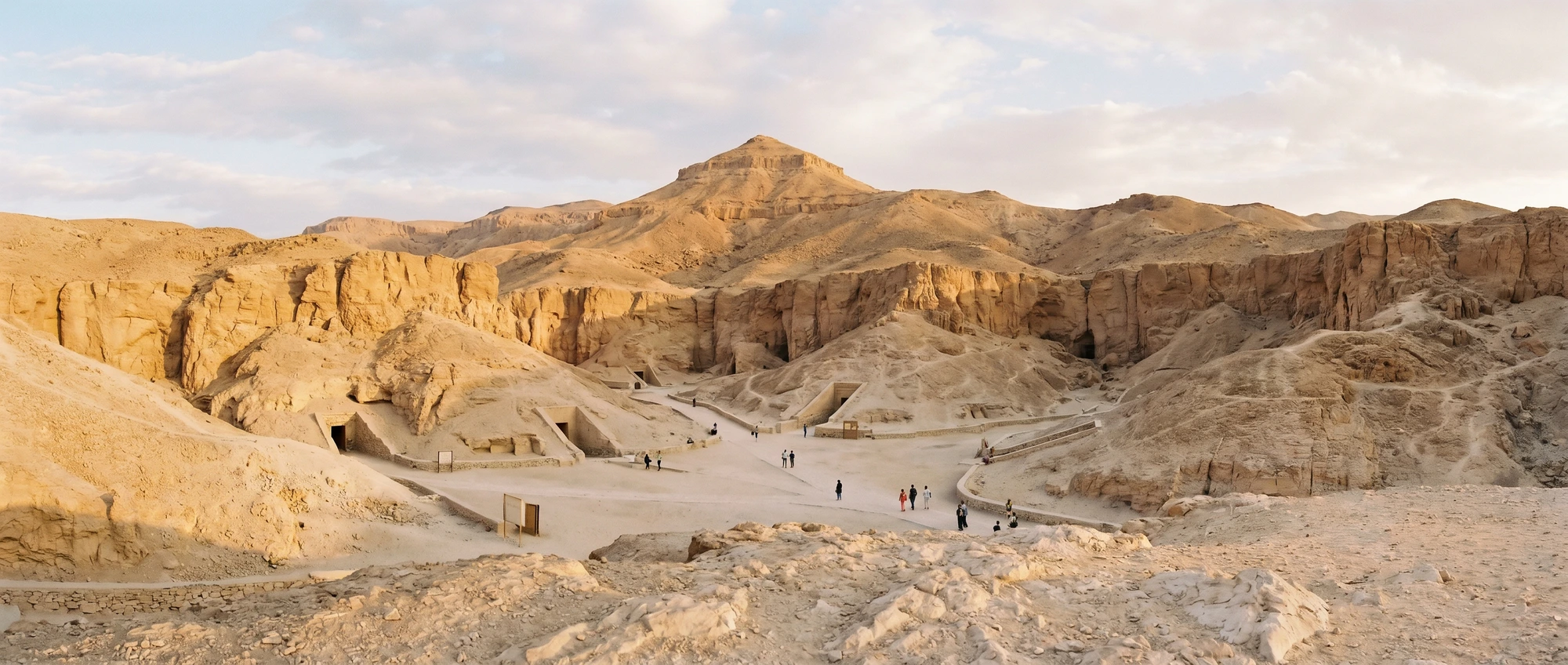
The Valley of the Kings is the rock-cut burial valley of the New Kingdom pharaohs on Luxor's West Bank, and the single thing to understand before you go is the ticket. The standard ticket (about £11 / E£750) lets you into any three open tombs from a rotating list — it is not all-access, and the famous names cost more on top. Tutankhamun (about £10 / E£700) and Seti I (a steep £29 / E£2,000) are separate add-ons bought at the gate. Go at opening (06:00) before the heat and the coaches: by mid-morning the deep tombs are airless and the valley is full. Decide your three free picks and any add-ons before you queue, because the costs stack up fast.
The ticket is the whole game
The one mistake people make at the Valley of the Kings is assuming the entry ticket gets you into everything. It doesn’t. The standard ticket (about £11 / E£750) covers any three open tombs from a rotating list — and the names you’ve actually heard of are separate, pricier tickets bought at the gate on top. Tutankhamun (KV62) is about £10 (E£700), Ramesses V/VI (KV9) about £3 (E£220), and Seti I (KV17) a steep £29 (E£2,000). Work out your three free picks and any add-ons before you queue, because once you’re tired and hot in the valley the upsell pressure is real and the maths gets expensive.
Note the common confusion: Nefertari’s famous tomb is not here — it’s a separate premium ticket in the neighbouring Valley of the Queens. Don’t budget for it on this ticket.
The valley itself sits on Luxor’s West Bank, about 10km from central Luxor and roughly 3km on from the West Bank ferry landing. Cross on the public ferry (a few pounds) or a private motorboat, then take a short taxi (about £2-£3, agree it first) to the visitor centre. From there a little electric tram runs up to the tombs — about E£20 (under 50p) for the round trip, and worth it in the heat.
Which tombs, when to go, and is it worth it?
Your three free picks come from whatever is open that day — the list rotates for conservation, so read the board at the entrance rather than planning a fixed route. When they’re open, the standouts on the standard ticket are Ramesses III (KV11), the longest and most varied; Ramesses IX (KV6), small but with a striking painted ceiling; and Merenptah (KV8), large with a fine astronomical ceiling. Three good tombs beat racing six mediocre ones.
Go at opening (06:00). Last entry is around 17:00 in summer and 16:00 in winter, but the reason to be first through the gate isn’t the closing time — it’s that by mid-morning the deep tombs are airless and stifling and the coach groups have arrived. The Valley of the Kings is one of the hottest places you’ll stand inside in Egypt; a torch helps in the dimmer chambers, and phone photos are free in most tombs (flash banned, and a DSLR needs a separate permit).
Yes, it’s worth it — but spend smartly. Three well-chosen standard tombs deliver the painted ceilings and corridors that make the valley extraordinary. Skip the Tutankhamun add-on unless you’re a completist: KV62 is small and plain, and the treasure that made it famous is now in the Grand Egyptian Museum in Cairo. If you’re going to splurge on one premium tomb, make it Seti I for its far better-preserved painting. Hire an Egyptologist guide for context and to keep the touts off, pair the morning with Hatshepsut’s temple nearby, and you’ve done the West Bank properly.
Planning the rest of your trip? See the Luxor city guide.
More to see in Luxor
Book the essentials
Tours & tickets
Valley of the Kings FAQs
How much does the Valley of the Kings cost in 2026?
Which tombs should I choose on the standard ticket?
Is Tutankhamun's tomb worth the extra ticket?
Can you take photos in the Valley of the Kings?
Ready to book?
Check tickets & tours