Kanto
Tokyo
Pick one big neighbourhood to sleep in, lock the must-book reservations before you fly, come in from Haneda not Narita if you can, and give Tokyo the days it actually needs.
Best length
4-5 nights as your Japan-trip first stop
Airports
Haneda (HND) ~15km south; Narita (NRT) ~60km east
Airport to centre
Haneda ~15 min/£3; Narita N'EX ~53 min/£14 or Skyliner ~41 min/£12
Best base
Shinjuku or Shibuya for first-timers; Asakusa for old-Tokyo on a budget
In short
Tokyo at a glance
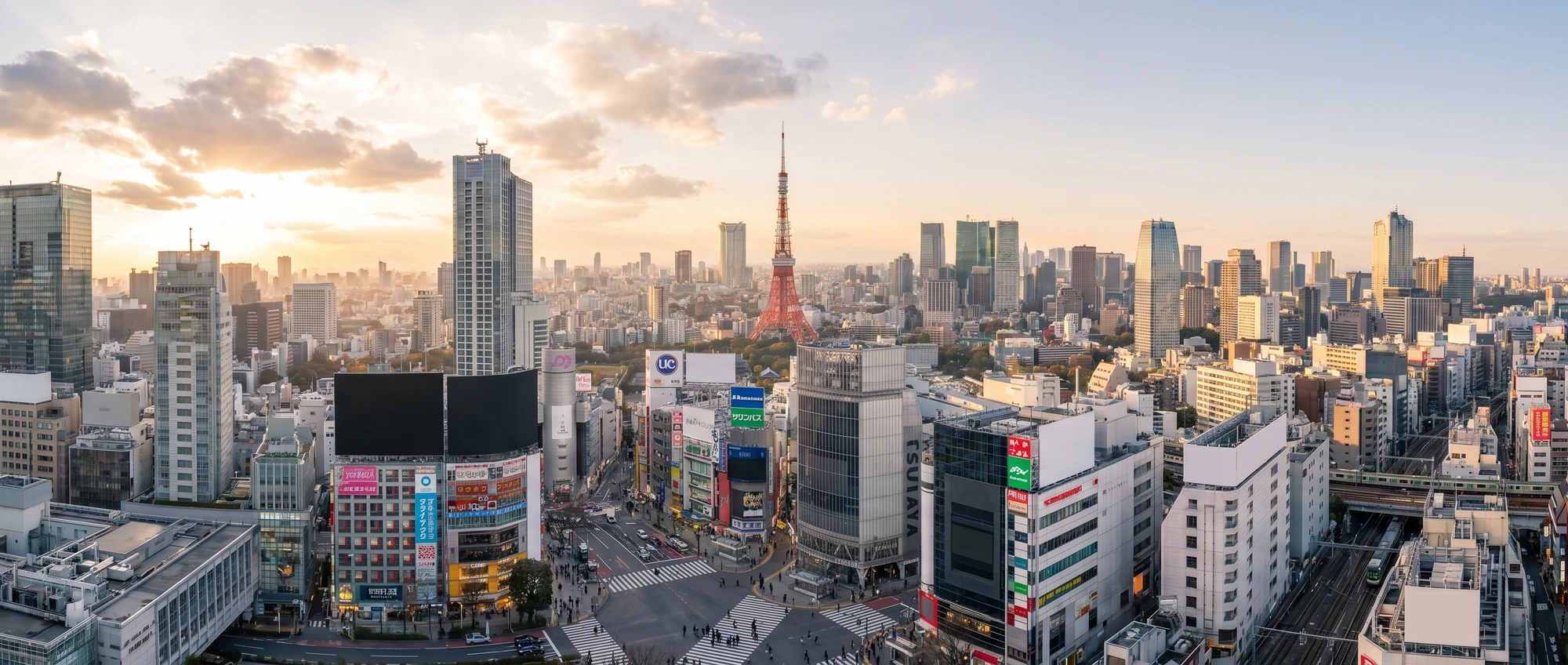
Tokyo is the natural first stop on a Japan trip and the one city worth your longest stay — give it four or five nights, not the two most people squeeze in before rushing to Kyoto. The city is really a chain of distinct neighbourhoods strung along the JR Yamanote loop, so where you sleep decides your whole trip: base in Shinjuku or Shibuya for the easiest first visit, fly into Haneda over Narita if you possibly can, get a Suica on day one rather than a subway pass, and book teamLab and any sumo or robot-bar plans before you fly. Treat the famous Shibuya Crossing as a five-minute photo and spend the saved time in a quieter district like Shimokitazawa or Yanaka.
The short version
- Give Tokyo four or five nights — it's the entry point and the city that rewards the longest stay, not a two-night warm-up for Kyoto.
- Stay in Shinjuku or Shibuya for the easiest first trip; both are Yamanote-loop hubs with food, nightlife and day-trip trains on the doorstep.
- Fly into Haneda if you can — it's ~15 min and about £3 to the centre, against ~53 min and about £14 from Narita.
- Get a Suica or Tourist Pasmo and tap on — only buy the 72-hour subway pass if you've checked it actually beats pay-as-you-go for your route.
- Book teamLab Planets ahead (it sells out days out), and skip the tourist-priced Golden Gai bar tab for a Shimokitazawa or Shibuya yokocho instead.
- Spring blossom (late March to early April) and November foliage are peak crowds and prices — May and October are the better-balanced months.
Tokyo isn’t really one city — it’s a dozen distinct neighbourhoods strung along the JR Yamanote loop, and which one you sleep in shapes the whole trip. Shinjuku is round-the-clock intensity and the busiest station on earth; Shibuya is younger and more central; Asakusa is old-Tokyo temples and cheaper rooms; Shimokitazawa is vintage shops and tiny live houses a few stops west. The first-timer mistake is treating Tokyo as a two-night warm-up before Kyoto. It’s the entry point to a Japan trip and the city that rewards the longest stay, so give it four or five nights and base yourself somewhere central on the loop — Shinjuku or Shibuya — so you save time every single day.
Two calls matter before you fly. The first is your airport: land at Haneda if you possibly can, because it’s about 15 minutes and roughly £3 to the centre, against the 53-minute, £14 Narita Express or £12 Keisei Skyliner from Narita — a real difference after a 14-hour flight. The second is teamLab Planets: timed slots sell out days ahead and it’s the one Tokyo ticket worth booking before you leave the UK (and it’s closing at the end of 2027). Beyond that, get a Suica or Tourist Pasmo on arrival rather than agonising over the subway pass, because single rides are cheap and the pass doesn’t even cover the Yamanote line.
The honest version of a good Tokyo trip is restraint. Treat the Shibuya Crossing as a five-minute photo, not a destination. Pick one tower — Skytree or Tokyo Tower — not both. Skip the tourist-priced bar tab in Golden Gai for a yokocho alley in Shibuya or a night out in Shimokitazawa. And build in one slow morning at Meiji Jingu and Shinjuku Gyoen when the crowds start to wear. Below, the structured planning — where to stay, what to book, the airport transfers in pounds, and a realistic daily budget — picks up from here. Entry, health and safety facts for your trip are covered on the Japan country guide, which is anchored to the latest GOV.UK travel advice.
Plan your Tokyo trip
Keep a first trip focused: book the big timed sights, then leave room for neighbourhoods and food.
Top things to do in Tokyo
Shibuya Sky
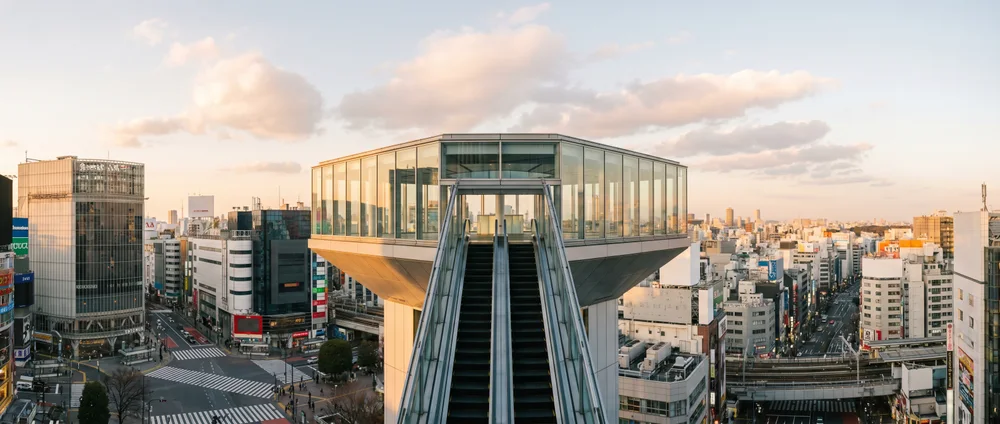
Book Shibuya Sky online before 15:00 (¥2,700/~£14.50) or after (¥3,400/~£18.50) — the online price is ¥300 cheaper than the counter, and sunset slots vanish within minutes of release two weeks out. The draw is the SKY STAGE, the open-air rooftop deck 229m up, not the indoor gallery. Allow about an hour, find the entrance on the 14th floor of Shibuya Scramble Square (East Exit of Shibuya Station), and pick a slot starting 30–60 minutes before sunset.
teamLab Planets
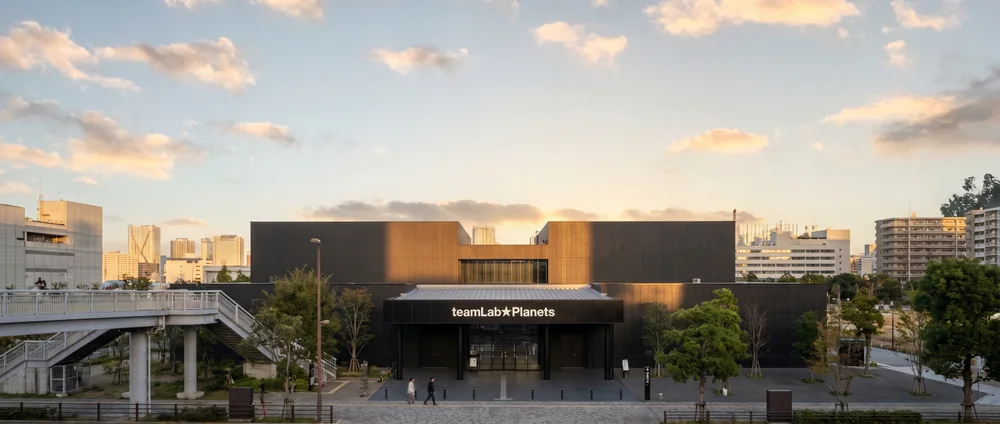
Book a timed teamLab Planets slot online before you fly — entry is in 15-minute windows that sell out days ahead, and there's no on-the-day queue. It's a barefoot museum: you wade through shin-to-knee-deep water in two rooms, so wear bottoms you can roll above the knee (skirts and long dresses don't work, though staff lend wrap shorts). Allow 90 minutes to two hours, get to Shin-Toyosu Station on the Yurikamome line, and book the first or last slot of the day to dodge the worst crowds.
Tokyo Disneyland
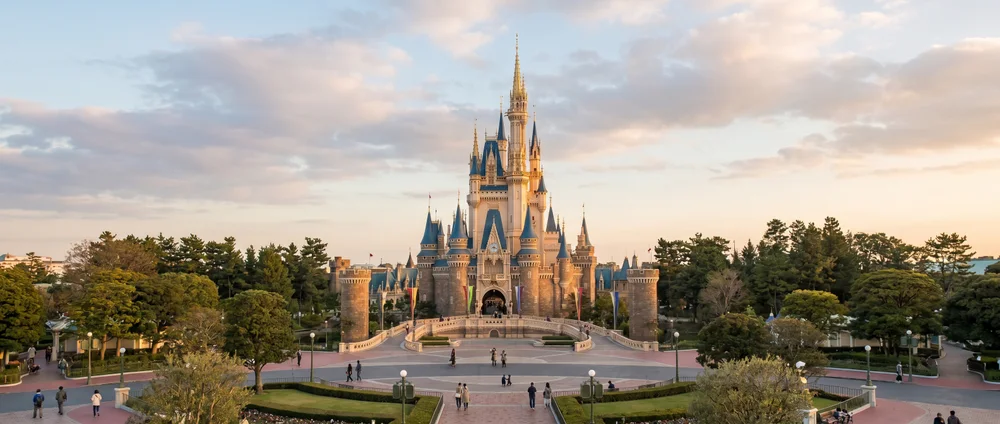
Buy a dated 1-Day Passport on the official Tokyo Disney Resort site (or Klook) before you fly — you cannot buy on the gate, tickets release 60 days out and busy dates sell out. Adult prices float with the calendar from about ¥7,900 to ¥10,900 (~£42–£57), cheapest on weekdays. Go on a Tuesday–Thursday, download the Tokyo Disney Resort app for the free Priority Pass, and pay for Disney Premier Access (~¥1,500–¥2,500 a ride) only on the one or two attractions you can't bear to queue 90 minutes for. There is no park-hopper ticket, so pick Disneyland or DisneySea for the day, not both.
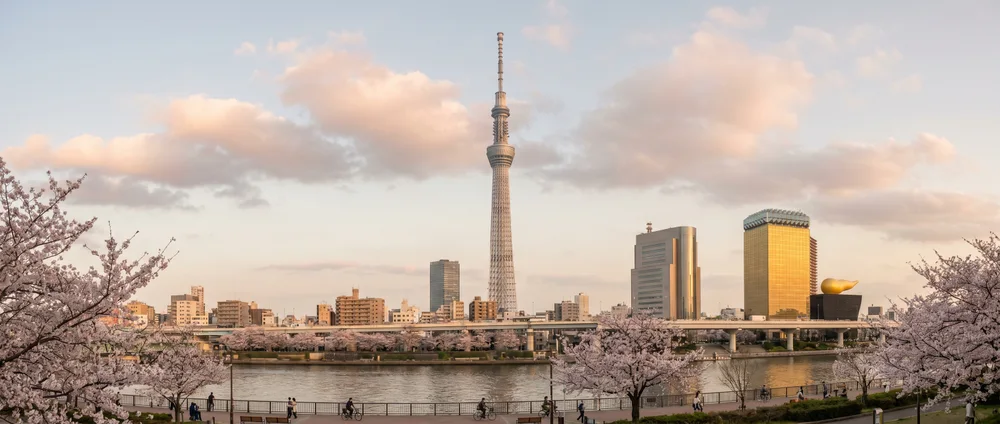
Tokyo Skytree
Book a Tembo Deck ticket online for a fixed date before you fly — the advance price is cheaper than the on-the-day counter and you skip the worst of the queue at the 4th-floor entrance inside Tokyo Solamachi. The 350m Tembo Deck is enough for most people; the extra ¥1,400 (about £6.50) up to the 450m Galleria buys height, not a better view. Aim for a slot about 45 minutes before sunset on a clear, dry day — that's when you get Mount Fuji on the horizon and the city switching its lights on in the same visit.
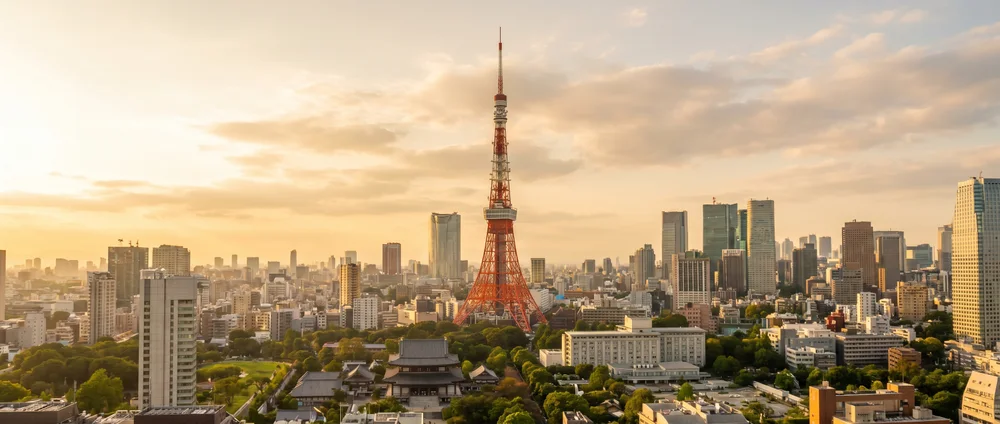
Tokyo Tower
You don't need to book Tokyo Tower in advance the way you would Sagrada Família — the Main Deck rarely sells out and you can walk up and buy a ticket. Decide between the Main Deck (150m, the cheaper standard view) and the Top Deck Tour (150m plus a guided lift to 250m), then time your visit for dusk, when the city switches its lights on. The tower itself looks better from outside than the view does from inside, so the honest question is whether you want the tower in your photos or want to be standing in it.
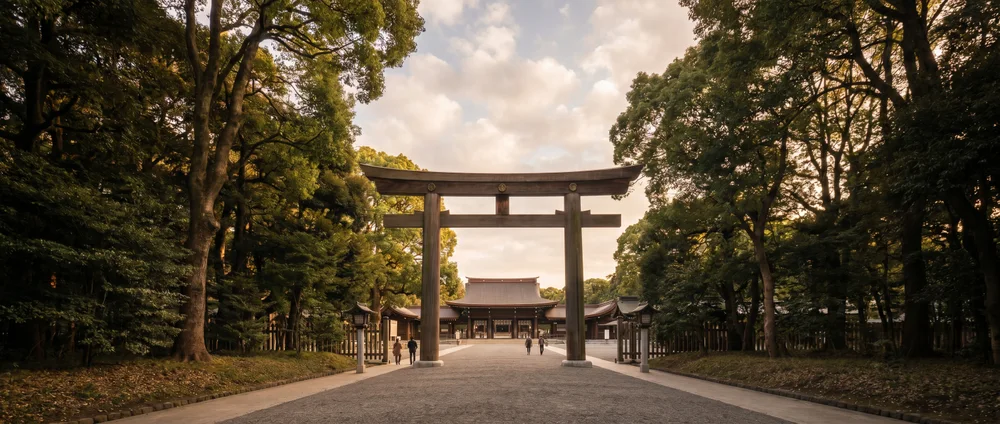
Meiji Shrine
The main shrine is free and you don't book — just turn up. Time it to the gates, which open at sunrise and close at sunset (roughly 05:00–18:30 in June, 06:40–16:00 in December), because there's no entry once they shut. Go early to walk the forested gravel approach before the crowds, allow about an hour for the grounds, and only add the ¥500 Inner Garden if the irises are out in June.
Every Tokyo attraction guide
Where to stay first
The areas that make a first visit easier — not an exhaustive directory.
Shinjuku
££ mid-rangeThe default first-timer base: Japan's busiest station, food and nightlife at every hour, and direct trains to Hakone, Kamakura and beyond. The trade-off is sheer intensity and proximity to Kabukicho's nightlife scams — pick a hotel a few streets back from the entertainment quarter.
Best for: First-timers who want everything and every train within reach
Shibuya
££ mid-rangeThe most central of the big hubs and the easiest for hopping between Harajuku, Daikanyama and Ebisu on foot or one stop. Younger, more polished and slightly pricier than Shinjuku, with the same brilliant transit. The strongest single base for a first Tokyo trip.
Best for: First-timers wanting centrality and walkable nightlife
Asakusa
£ valueOld-Tokyo temples, ryokan-style stays and noticeably cheaper rooms, traded against being a 25-30 minute ride from the Shibuya/Shinjuku action. The trade-off most atmosphere-first travellers are happy with — just expect quieter evenings.
Best for: Traditional atmosphere and better room rates
Ikebukuro
£ valueThe value pick: hotels run roughly 20-30% cheaper than Shibuya or Shinjuku for the same Yamanote-loop access, with plenty of food and an easy Narita Express stop. Less photogenic and more workaday, but the best-connected budget base in central Tokyo.
Best for: Value without leaving the central loop
Shimokitazawa
£ valueVintage shops, tiny live houses and the best cheap food per square metre in the city, a quick ride west of Shibuya. Not the place for a luggage-heavy first night near the station, but a great base if you want a non-corporate, local-feeling Tokyo.
Best for: Repeat visitors, food and a low-key local base
Airport to city centre
| Option | Time | Cost | Book ahead? |
|---|---|---|---|
| Haneda — Tokyo Monorail or Keikyu line | ~15-25 min to Hamamatsucho/Shinagawa | about £2.30-£3.70 (¥500-¥800) | By far the easiest arrival — choose Haneda flights if you can |
| Narita — N'EX (Narita Express) to Tokyo/Shibuya/Shinjuku | ~53-80 min | about £14 (¥3,070) one way; round-trip ticket about £19 | Best if your hotel is near a JR hub |
| Narita — Keisei Skyliner to Ueno/Nippori | ~41 min to Ueno | about £12 (¥2,580) | Fastest from Narita; change to Yamanote at Nippori |
| Narita — Airport Limousine Bus | ~75-90 min | about £16.75 (¥3,600) | Door-to-hotel with luggage handled; slower in traffic |
When to go
Sweet spot: May and October are the best-balanced months: comfortable 15-22°C walking weather, manageable crowds and hotel rates well below the spring peak. The headline seasons — late-March/early-April cherry blossom and mid-to-late November autumn foliage — are gorgeous but mean the heaviest crowds and rates 20-70% above baseline, so book months ahead.
High summer (July-August) is hot and humid at up to 35°C, with the rainy season running mid-June into July and typhoon risk building from September — fine for indoor sights and air-conditioned trains, harder for long walking days. Winter (December-February) is cold, dry and clear with daytime highs near 2-10°C, the cheapest and quietest stretch and good for crisp city views. Cherry-blossom season is the super-peak: forecast to flower around 21 March 2026 and peak roughly 25 March-5 April, with hotel rates 50-70% above normal, so reserve early or come a few weeks either side.
What it costs
Direct return economy from Heathrow to Haneda runs roughly £600-£900, dipping near £550 on cheap dates and topping £900+ in peak. The late-March/early-April blossom peak and Golden Week (late April to early May) are the dates to avoid for both price and crowds; January, November and parts of June are the cheapest.
Daily budget per person
| Subway single ride | ~£0.85-£1.55 (¥180-¥330) |
|---|---|
| Conbini meal (onigiri + drink) | ~£2.30-£3.70 |
| Bowl of ramen or gyudon set | ~£4.20-£6.50 |
| teamLab Planets adult ticket | ~£17.70 (¥3,800) weekday |
| Hostel dorm bed, per night | ~£12-£19 |
| 72-hour Tokyo Subway Ticket | ~£9.30 (¥2,000) |
All yen figures use £1 ≈ ¥215 (June 2026). Tokyo is the easiest part of Japan to do cashlessly — a contactless card plus a Suica covers most of it — but carry ¥10,000-15,000 (~£45-£70) for small ramen counters, shrines and markets that are still cash-only.
Book the essentials
Where to stay
Tours & tickets
Airport transfers
Stay connected
Trains & rail passes
Also in Japan

Tokyo FAQs
How many days do you need in Tokyo?
Where should first-timers stay in Tokyo?
Should I fly into Haneda or Narita for Tokyo?
Do I need a car or a rail pass in Tokyo?
When is the best time to visit Tokyo?
Ready to book?
Find hotels in Tokyo